What is Coco Peat?
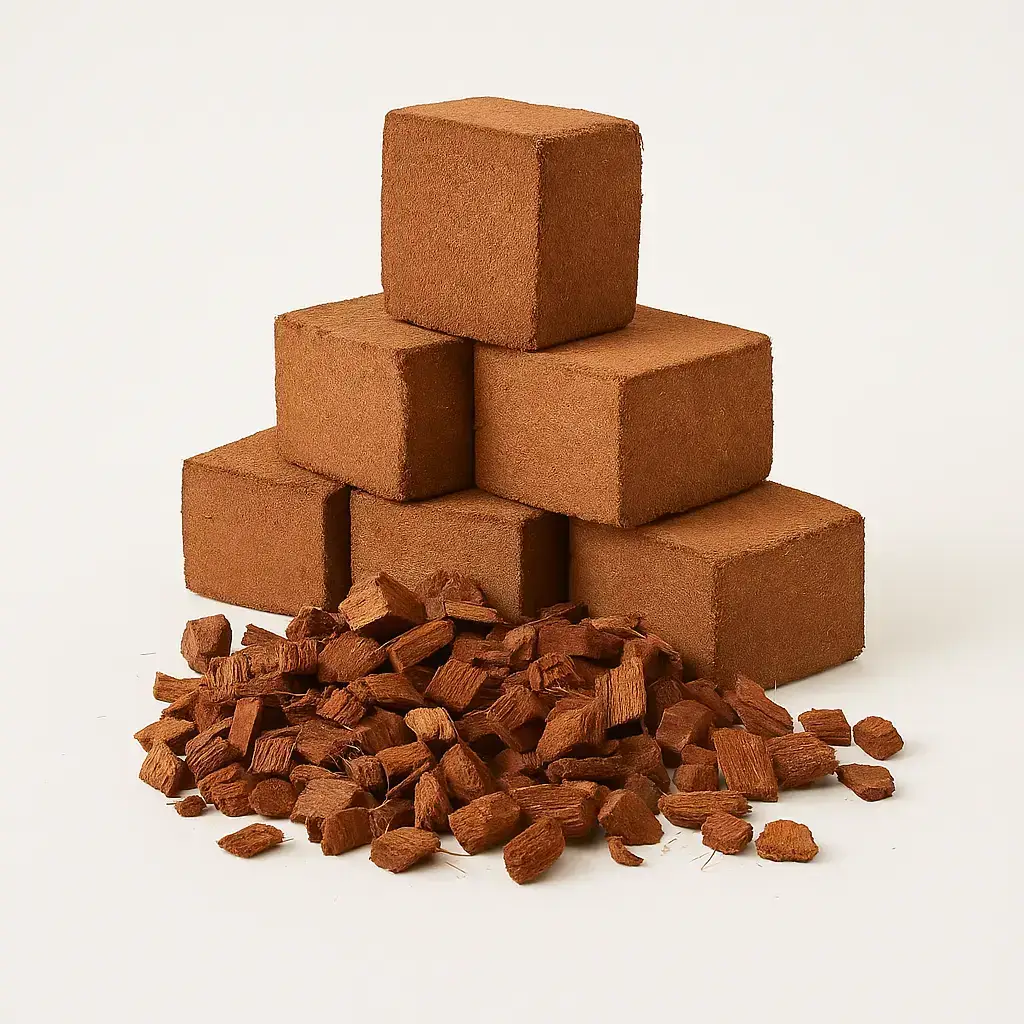
Coco peat, also known internationally as coir pith or coir dust, is a natural byproduct obtained during the extraction of coir fiber from coconut husks. Historically treated as agricultural waste, this spongy, highly porous material has emerged as one of the most effective, eco-friendly growing substrates in modern commercial agriculture.
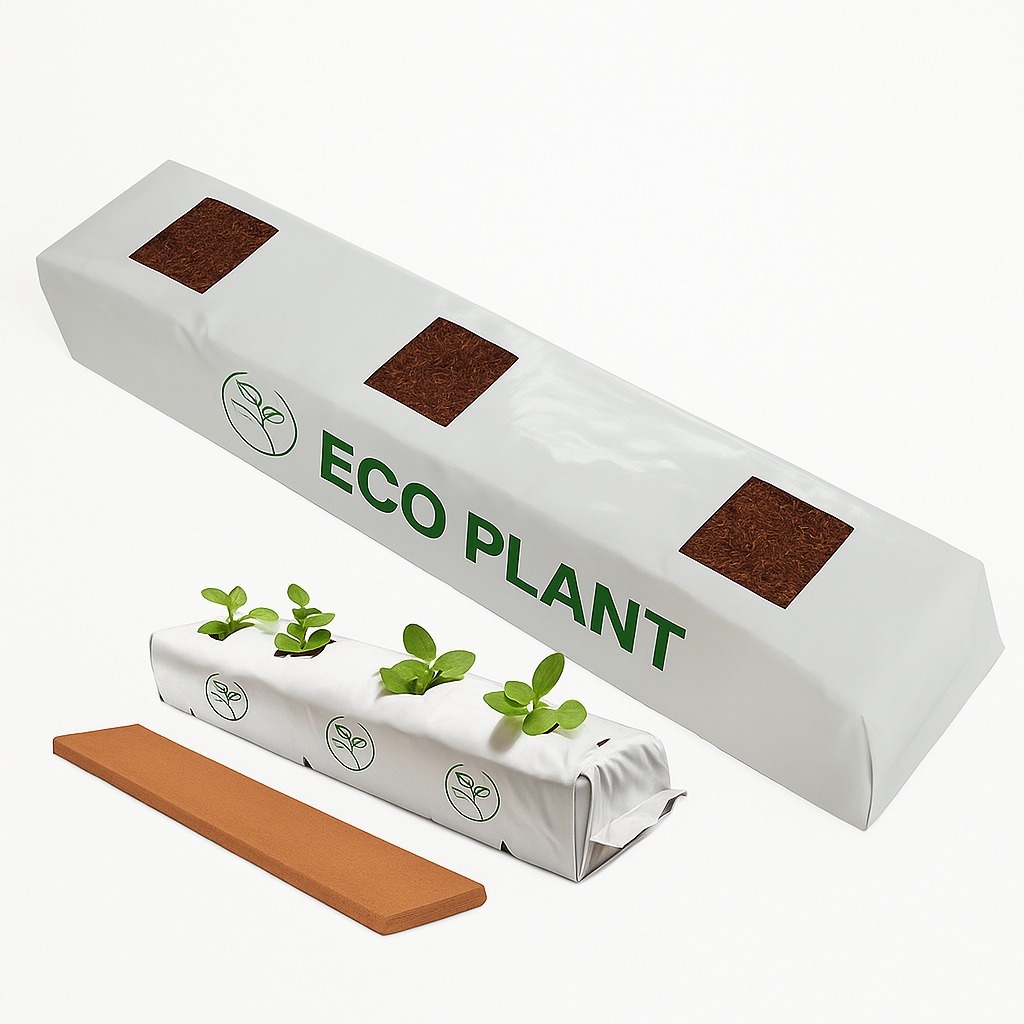
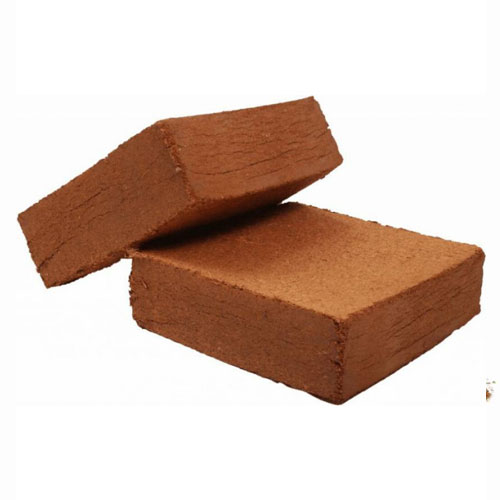
During processing, coconut husks are washed, screened to remove larger fibers and impurities, and aged to stabilize the physical structure. For commercial markets, it is compressed into compact blocks, bricks, or grow bags, offering a light, space-efficient format that expands dramatically when hydrated.
Why Growers Prefer Coco Peat
Commercial greenhouse operations, nursery owners, and vertical farms have steadily shifted away from traditional soil and peat moss. The core driver is consistency. Natural soil is highly variable, carries pathogens, and compacts under irrigation. Coco peat, conversely, is highly uniform, structurally stable, and naturally sterile.
Because coco peat is sterile, it does not harbor weed seeds, soil-borne fungi, or pests. This drastically reduces the dependency on chemical soil sterilizers and fungicides, resulting in healthier crop cycles and lowered input costs.
Moisture Retention Benefits
One of the most remarkable properties of coco peat is its water holding capacity. A high-quality compressed block can absorb and hold up to 8 to 10 times its own dry weight in water. The sponge-like structure features millions of micro-vacuoles that secure water molecules, keeping the root zone consistently moist.
Importantly, coco peat acts as a moisture buffer. Even when water levels drop, the remaining moisture is held loosely within the particles, meaning plants do not have to exert high osmotic pressure to extract water. This reduces transplant shock and crop stress during hot weather cycles.
Better Aeration and Root Growth
While holding water is crucial, roots also require constant oxygen to perform cellular respiration and absorb nutrients. Traditional soil easily compacts, squeezing out air pockets and causing root rot. Coco peat maintains a high air-filled porosity (typically 20% to 30%).
Even when fully saturated with water, the macro-pores in coir drain excess water quickly while retaining vital oxygen pockets. This balanced moisture-to-oxygen ratio stimulates rapid lateral root branching, leading to a robust, healthy root system that is essential for high-yield fruit and vegetable production.
The Sustainability Advantage
For decades, the horticultural industry relied heavily on peat moss harvested from natural peat bogs. However, peat bogs are massive carbon sinks and slow-growing ecosystems that take centuries to recover. Harvesting peat moss releases tons of greenhouse gases into the atmosphere.
"Coco peat is a 100% renewable, organic byproduct of the coconut harvesting cycle. Utilizing it supports circular agricultural practices by converting agricultural waste into a high-value resource without destroying delicate bog ecosystems."
Furthermore, coco peat degrades very slowly due to its high lignin content. This means it maintains its structure and does not collapse in the pot or grow bag, allowing growers to safely reuse the substrate across multiple crop cycles.
Common Uses in Commercial Farming
Coco peat's versatility makes it applicable in diverse agricultural operations:
- Hydroponic Slabs: Used inside UV-stabilized bags for tomatoes, cucumbers, capsicum, and berry crops.
- Seedling Plugs & Coins: Ideal for rapid seed germination and cutting propagation in commercial nurseries.
- Potting Soil Blends: Mixed with perlite, vermiculite, or bark to customize aeration and drainage for specific crops.
- Urban Farming: Perfect for vertical farms and rooftop greenhouses due to its lightweight nature.
Conclusion
Switching to coco peat enables commercial growers to gain full control over their crop environment. With its excellent water retention, premium root zone aeration, neutral pH, and sustainable footprint, it stands out as the ultimate substrate for modern, high-yield agriculture. For buyers, sourcing washed, low-EC coir is key to securing these benefits without risk.